Self-Help and Workbooks for OCD
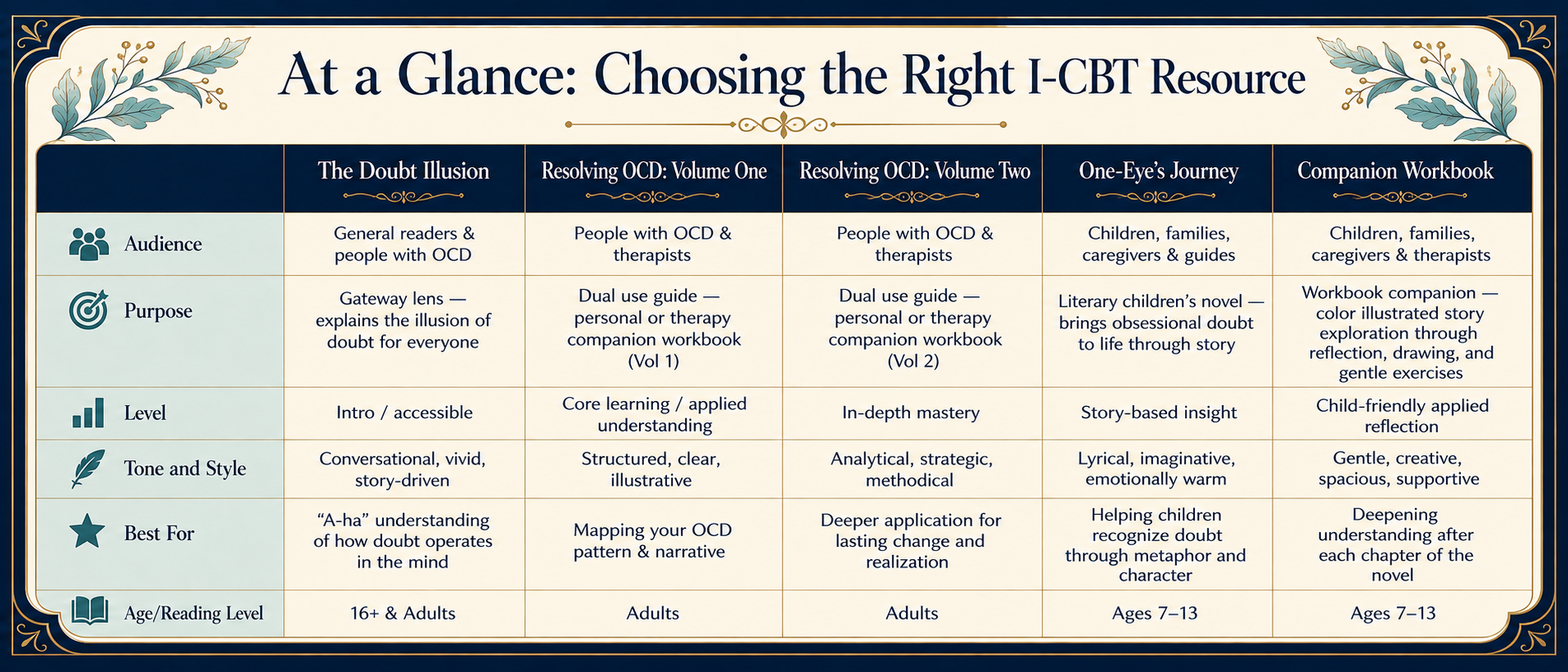
This section brings together the official I-CBT self-help books written by Dr. Frederick Aardema, originator of Inference-Based Cognitive Behavioral Therapy. They are intended for individuals with OCD, as well as family members, caregivers, and therapists seeking a clear and faithful introduction to the I-CBT approach.
Although the books differ in depth, format, and intended audience, they share the same central understanding: obsessional doubt is not a genuine problem discovered in reality. It is constructed through a reasoning process that gives imagined possibilities the appearance of being real and relevant. The aim is not to keep answering the doubt, but to understand how it was created and learn to see through it.
Some readers may prefer a brief and accessible introduction. Others may be looking for a comprehensive, step-by-step program with exercises and downloadable materials. Children and families may benefit most from a story-based presentation designed for younger readers.
Explore the resources below to find the format that best suits your needs.
A concise and conversational introduction to I-CBT
The Doubt Illusion: A Compact Guide to Overcome OCD with I-CBT offers a shorter and highly accessible introduction to how obsessional doubt is created and why it can feel so convincing even when it is disconnected from what is actually happening.
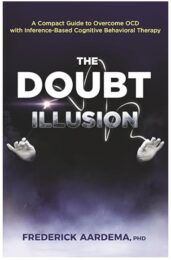
Using clear explanations, everyday examples, and memorable metaphors, the book presents OCD as an illusion of doubt. Imagination quietly prepares the stage, reasoning gives the imagined possibility credibility, and the resulting doubt begins to feel as though it arose from reality. The reader is then drawn into checking, reviewing, analyzing, or seeking reassurance for a problem that was never genuinely present.
The book explains how to recognize this process without debating every feared possibility or trying to achieve a special feeling of certainty. Its focus is on exposing the construction of the doubt itself so that the reader can stop entering the story OCD has created.
This book is especially suitable for readers who are new to I-CBT, those who prefer a concise and conversational format, or those looking for an accessible companion to more comprehensive work.
Explore The Doubt Illusion
About the Book
Read the book synopsis and view the complete table of contents.
Read the Introduction
Read the opening chapter and discover the central idea behind the doubt illusion.
A comprehensive I-CBT guide and workbook series
The Resolving OCD Series provides a complete and progressive introduction to I-CBT for individuals who want to understand their obsessional experience in depth and work systematically toward resolving obsessional doubt.
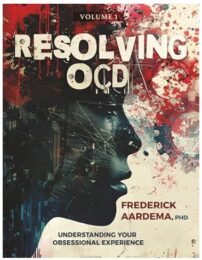
Volume One: Understanding Your Obsessional Experience establishes the foundations. It explains the many forms OCD can take, maps the obsessional sequence, distinguishes obsessional doubt from ordinary doubt, and helps readers uncover the personal reasoning and narrative behind their doubts.
The focus is not only on what people doubt, but on how obsessional doubt is constructed. Readers begin to recognize when imagination, possibility, memories, rules, and personal stories start to outweigh direct reality and create a problem that was not present to begin with. Each chapter builds on the one before it, moving from the identification of personal obsessional patterns toward a clearer understanding of the reasoning process that gives those doubts their apparent credibility.
Advanced strategies for applying I-CBT in everyday life
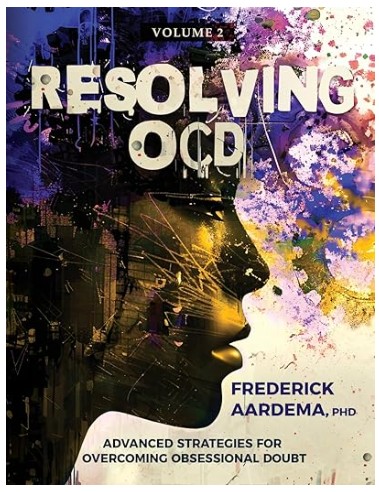
Volume Two: Advanced Strategies for Overcoming Obsessional Doubt continues the work begun in Volume One, building on its foundations and moving from understanding the obsessional process toward recognizing and resolving it in everyday life.
The volume examines the reasoning tricks that create confusion between imagination and reality. It introduces the OCD Trifecta and Superfecta, explores the feared possible self, and guides readers through the OCD Bubble, reality sensing, and the practical application of I-CBT across different obsessional situations.
Together with Volume One, it forms a comprehensive and structured self-help program. Across the two volumes, readers are provided with a shared framework of explanations, diagrams, reflection exercises, forms, and training cards that can be used independently or alongside therapy.
A story-based journey into clearer seeing
One-Eye’s Journey: A Story About Doubt and Seeing is a literary introduction to I-CBT for children approximately 7–13 years old. Through story, imagination, and metaphor, it helps young readers recognize how obsessional doubt can take hold and how clearer seeing can return.
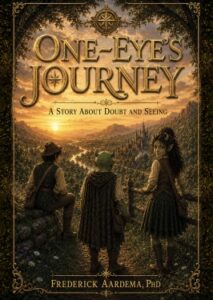
The novel follows Orin, a one-eyed ogre who believes his missing eye prevents him from seeing the world correctly. He leaves his valley in search of what he believes he has lost, encountering mirrors that become less trustworthy the longer he stares, maps endlessly redrawn by “maybe,” multiplying shadows, persistent whispers, and stories that make doubt seem reasonable.
Orin gradually discovers that nothing is wrong with his sight. The difficulty lies in treating imagined possibilities, rules, memories, and stories as evidence against what is already present. Clearer seeing returns when he recognizes that the doubt was never required by reality in the first place.
A creative workbook for reflection and discovery
The One-Eye’s Journey Companion Workbook offers children a slower and more interactive way to explore the ideas revealed through Orin’s story. Following the novel chapter by chapter, it uses drawing, reflection, creative activities, and gentle reasoning exercises to support recognition without turning the process into correction or instruction.
Children explore how doubt begins, how checking and repeating keep it going, how “maybe” can quietly become a rule, and how imagination can take the place of what they already see and know. The activities preserve the child’s curiosity and allow insight to emerge gradually, without pressure to produce the right answer.
The workbook may be used independently, with a parent or caregiver, or alongside therapy. Guidance for adults is included to help them support the child without providing reassurance or becoming drawn into the doubting process. Together with the novel, the workbook provides a thoughtful and visually engaging introduction to the central principles of I-CBT, translated into a world children can enter, recognize, and remember.